GREAT RATE, BAD DEBT? WHY SELLING YOUR METRO ATLANTA HOME MAY BE THE FIX
Can selling your home pay off high-interest debt like credit cards and auto loans? Absolutely! If you have enough equity, selling could allow you to pay off credit cards, auto loans, and other high-interest balances in full at closing, often leaving you with less total monthly obligation than carrying a mortgage and that debt separately.
I sat down with a homeowner recently who had what most people would call a FANTASTIC problem to have: a 3% mortgage rate and a $900 mortgage payment. On paper, this was a win! However, once we added up her total monthly debt obligation, she was paying an additional $1500 a month in debt that had absolutely nothing to do with her mortgage. One card was charging a 22% interest rate! Her auto loan was close to 8%, so her “great mortgage rate” was simply the one bill that didn’t hurt.
If you’ve been following along, you know I recently broke down waht the Federal Reserve’s latest rate hike means for anyone carrying credit cards or a HELOC. The short version….that debt could very well become more expense to carry.
That’s EXACTLY where many Metro Atlanta homeowners are sitting at this exact moment….a great rate on the one loan and a growing pile of debt on the others.
WHAT DOES YOUR REAL MONTHLY DEBT PICTURE LOOK LIKE?
Most homeowners think about their mortgage rate in insolation. Meaning, it’s the number everyone talks about, so it feels that it’s the number that matters the most. In reality, your mortgage is rarely the only debt on your plate.
Add up EVERYTHING you’re paying each month; mortgage, credit cards, auto loans, personal loans, HELOC. You’ll understand your real monthly debt number. For the homeowner I mentioned above, that number was closer to $2400, not $900. The revolving debt was doing the real damage to her financial health.
CAN SELLING YOUR HOME REALLY PAY OFF YOUR DEBT?
Here’s what most homeowners never consider: the equity, sitting in your home right now isn’t just a number on a net worth statement. It’s spendable, the moment you close.
When you sell, the proceeds pay off yoru existing mortgage first. Whatever equity is remaining is yours, and you can use it to pay off other debt in full before you even sign paperwork on your next place. This is different from a cash-out refinance or debt consolidation loan in several important ways:
Credit cards, paid in full – not rolled into a new loan, not considered at a “better” rate. Gone.
Auto loan, paid in full – no more monthly payment eating into your budget, no more interest working against you.
One clean number going forward – instead of a mortgage plus three other bills, you’re working with a single, known monthly obligation in your next home.
This last point matters more than people expect. A lot of the stress around money isn’t really about the total amount owed, it’s about the number of separate bills demanding attention every month. Consolidating that down to one changes how manageable it feels, even before you factor in the total dollars saved in interest.
WHAT HAPPENS TO YOUR RATE IF YOU SELL AND BUY AGAIN?
This is usually the first question, and it’s an extremely fair one. I mean, it would be great if we could take the rate with us!
While it’s true that your next mortgage will likely carry a higher rate than the one your currently have, that comparison doesn’t provide the full picture if you’re only looking at the mortgage line item. The REAL comparison is your total monthly debt now versus your total monthly debt after selling, paying off high-interest balances, and buying again.
For some homeowners, a slightly higher mortgage payment on a smaller loan amount, with credit cards and auto debt gone entirely, adds up to less than what they’re paying today across four or five different bills. For others, it very well may be close to a wash on paper, but the difference in stress and flexibility is significant. Either way, it’s a real number you can run.
IS THIS THE RIGHT MOVE FOR YOU?
Not every homeowner in this situation should sell. If you have little to no equity or if your current home meets your long-term need (and the debt is something you can decrease on your own within a reasonable timeframe), then staying put and tackling the debt directly may make more sense.
However, if you’re sitting on meaningful equity, carrying high-interest revolving debt, and realizing that your “great rate” hasn’t actually made your monthly finances feel any easier, it’s worth running the numbers before assuming staying put is automatically the safer choice.
May I repeat that? Be realistic about what your FULL monthly picture actually looks like, not just the one line item that feels good to talk about.
FAQ
Will selling my home hurt me if I have a really low mortgage rate? Not necessarily. The right comparison is your total monthly debt now versus your total monthly debt after selling and paying off high-interest balances, not just the mortgage rate on its own. Run both numbers before deciding.
What if I don’t have much equity built up? This strategy depends on having enough equity to cover your existing mortgage payoff plus the debt you want to eliminate. If your equity is limited, a debt payoff strategy or a conversation about timing may may more sense than selling right now.
Is this the same as a cash-out refinance? No. A cash-out refinance keeps your current home and adds debt back onto it at a new rate. Selling pays off your existing mortgage and any other debt you choose to clear, in full, from your proceeds.
READ TO RUN YOUR NUMBERS?
Every homeowner’s situation is different, and the only way to know if this makes sense for you is to look at your actual mortgage balance, your equity position, and your full debt picture side by side.
Reach out today, and let’s figure out your next move together.
Vanessa M Calhoun, B.S., Associate Broker | REALTOR®️ | HomeSmart | Metro Atlanta/ Cobb County | Cell: 470-209-8136 | Office: 404-876-4901 | vcalhounrealestate@gmail.com
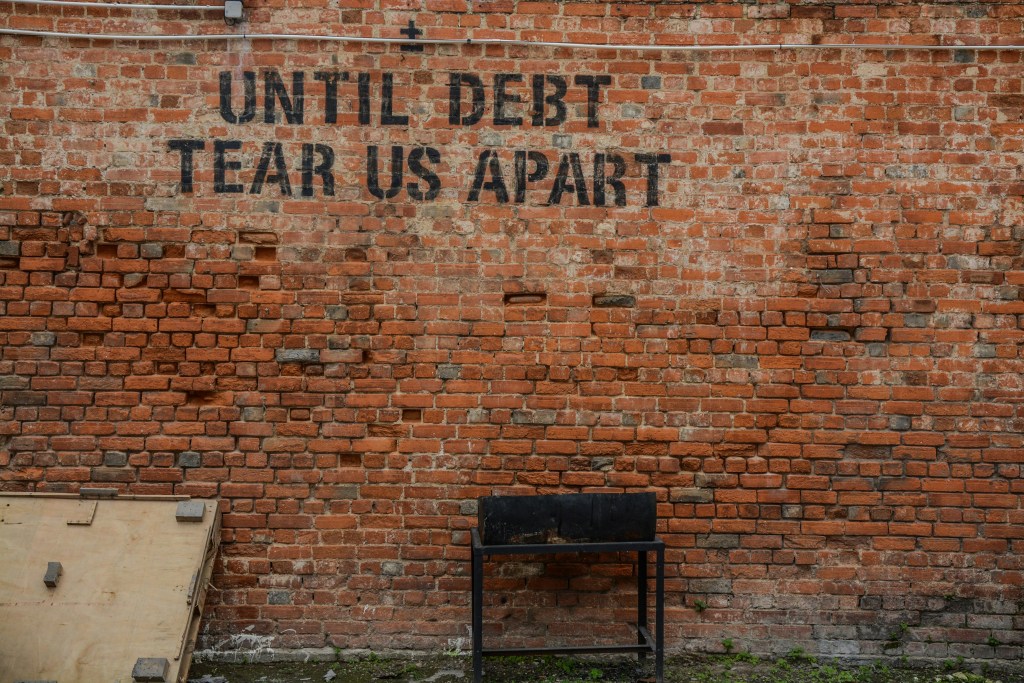
Photo by Alice Pasqual on Unsplash


Leave a Reply